
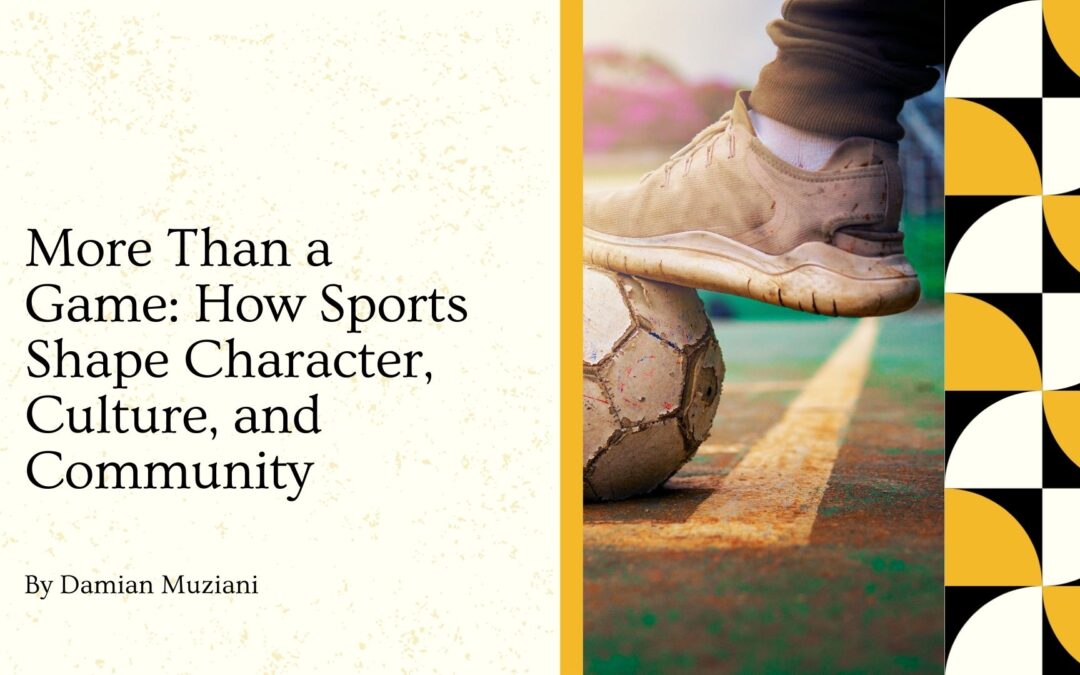
Sports have long been viewed as competition — a contest of strength, skill, and strategy. But beyond the scoreboard and statistics lies something deeper. Sports shape identities, unite communities, and teach life lessons that extend far beyond the field.
From youth leagues to professional arenas, sports influence how individuals grow and how societies connect.
The Foundation of Character
Participation in sports builds more than physical ability; it develops discipline, resilience, and accountability. Athletes learn early that improvement requires consistent effort. Practice is repetitive, progress is gradual, and success rarely comes without setbacks.
Losing games teaches humility. Winning teaches responsibility. Both experiences shape emotional intelligence. Athletes must manage pressure, handle criticism, and collaborate with teammates toward a shared goal.
These lessons translate into everyday life. Employers value teamwork and perseverance. Communities respect individuals who demonstrate commitment and integrity. Sports cultivate these qualities organically.
Unity Across Differences
Few environments bring together people from diverse backgrounds as effectively as sports. Teammates may differ in culture, socioeconomic status, language, or belief systems — yet they work toward a common objective.
Fans experience a similar unity. Entire cities rally behind teams, celebrating victories and enduring defeats together. During major tournaments or championship runs, differences often fade into the background as collective pride takes center stage.
On a global scale, events like the Olympics and the World Cup demonstrate how sports can transcend political boundaries. For a brief time, nations connect through competition and mutual respect.
The Business of the Game
Modern sports are also powerful economic engines. Professional leagues generate billions of dollars annually through broadcasting rights, sponsorships, merchandise, and ticket sales. Entire industries — from sports media to athletic apparel — thrive because of fan engagement.
Athletes themselves have become brands. Endorsements, social media presence, and entrepreneurial ventures allow players to expand their influence beyond competition. The intersection of sports and business highlights how talent, marketing, and strategy combine to create global impact.
This commercialization brings both opportunity and responsibility. Issues such as fair compensation, mental health support, and ethical governance are increasingly part of the conversation.
Mental Health and Modern Athletes
In recent years, prominent athletes have spoken openly about mental health challenges. This transparency has shifted public perception, emphasizing that even elite performers face emotional strain.
The pressure to perform, constant scrutiny, and rigorous schedules can take a toll. By addressing mental well-being openly, the sports world is redefining strength — showing that vulnerability and self-awareness are part of true resilience.
This cultural shift extends beyond athletics, encouraging broader conversations about mental health in workplaces and schools.
Inspiration for Generations
Sports stories inspire. Comeback victories, underdog triumphs, and record-breaking achievements remind us of human potential. Young athletes see possibility in their heroes. Communities find hope in perseverance.
Even those who never compete professionally can find motivation in sports narratives. The determination displayed on the field mirrors challenges faced in everyday life.
At its core, sports are a reflection of humanity — ambition, struggle, teamwork, and triumph woven into a shared experience.
More than a game, sports are a classroom, a business, and a cultural bridge. They shape who we are individually and collectively, reminding us that competition can coexist with unity, and that sometimes the greatest victories are the lessons learned along the way.